Charming Health

Blueberry Calories: Nutrition Facts, Health Benefits, and Smart Ways to Include Blueberries Daily

Blueberry Calories are often searched by people who want healthy and balanced eating options. Blueberries are low in calories but high in nutrients, which makes them suitable for daily meals and snacks. This blog explains blueberry nutrition facts, portion sizes, and how blueberries calories fit into weight and health goals. You will also learn about health benefits of blueberries and easy product-based options to include them in everyday nutrition..

Understanding Blueberry Nutrition and Calories in Fresh and Frozen Berries

Blueberries are a superfood that is low in calories but high in nutrients. Blueberry nutrition facts show that blueberries provide vitamin C, vitamin K, manganese, anthocyanin, and dietary fiber, making them a good source of essential nutrients. Whether you use fresh blueberries, wild blueberries, highbush, or lowbush varieties, they offer health benefits of blueberries such as supporting heart health, lowering cholesterol, and protecting against oxidative stress. Frozen berries maintain most of their nutritional content and antioxidant content, making it easy to enjoy blueberries all year round. Including blueberries in fruits and vegetables can support weight management and cognitive decline prevention.

Nutrient Breakdown of 1 Cup of Blueberries

How Many Calories Are in Blueberries?

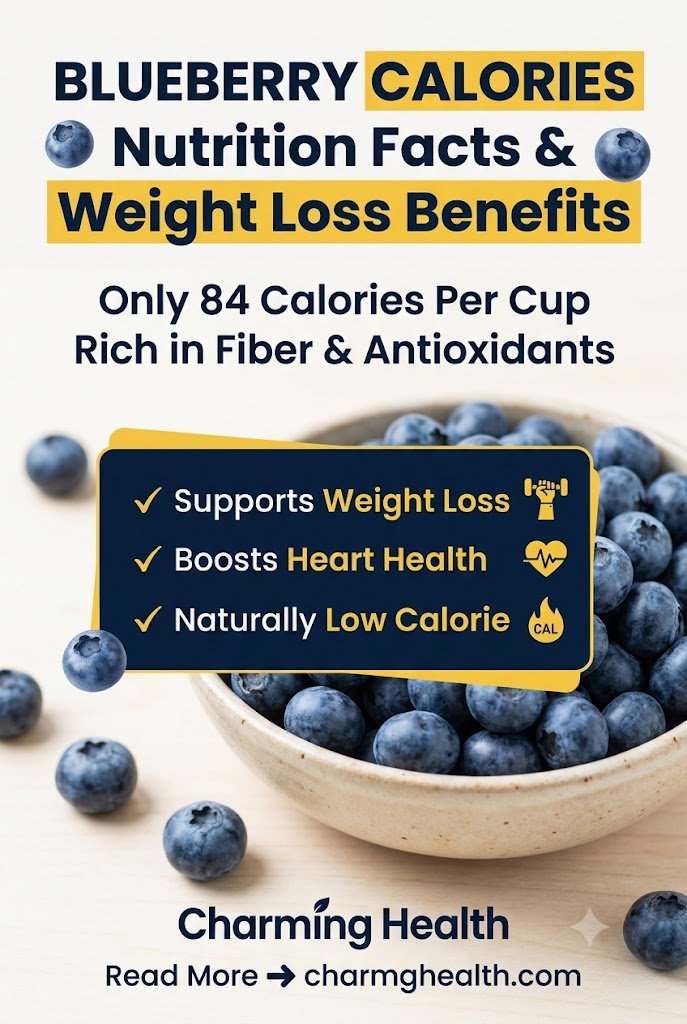
Blueberry calories are relatively low, making this berry ideal for weight management. Blueberries contain about 84 calories per 1 cup, and approximately 57 calories per 100g. Even 10 blueberries only add a few calories while being highly nutritious. Blueberries calories include nutrients like vitamin C, vitamin K, manganese, and anthocyanin, which may help lower blood sugar levels and support type 2 diabetes management. Blueberries are a healthy addition to daily nutrition because they are low in calories but high in nutrients, making them a versatile option for fruits and vegetables in meals or snacks.

Nutrition Information for Fresh Blueberries

Fresh blueberries are packed with nutrients that support overall health benefits of blueberries. Blueberries contains vitamin C, vitamin K, manganese, 4 grams of dietary fiber, and anthocyanin, a powerful antioxidant compound. Blueberries are loaded with essential nutrients and are a good source of vitamins and minerals. Eating blueberries daily may improve heart health, reduce risk of heart disease, and assist in wound healing due to their antioxidant content. Including fresh blueberries in baked goods, smoothies, or salads can enhance nutrition information while keeping calories but high in nutrients.

Nutrition Facts for Frozen Blueberries

Frozen berries retain most of the nutritional content found in fresh blueberries. Blueberries also contain anthocyanin, vitamin C, vitamin K, and manganese, along with flavonoid compounds that provide total antioxidant benefits. Blueberries nutrition facts remain consistent whether frozen berries or fresh blueberries are used, although frozen berries can last longer. Blueberries provide essential nutrients, support weight management, and are a good source of fiber. Eating blueberries from frozen forms is highly nutritious and convenient, while maintaining the health benefits of blueberries like cognitive function support and reduced risk of heart disease.

Nutrients Breakdown in 1 Cup of Blueberries

1 cup of blueberries contains 84 calories, about 4 grams of dietary fiber, 1 gram of protein, and vitamins and minerals such as vitamin C, vitamin K, and manganese. Blueberries nutrition facts show they are low in calories but high in nutrients, providing antioxidant compounds like anthocyanin and flavonoids. Blueberries are a healthy addition to fruits and vegetables, and including blueberries in your diet supports heart health, weight management, and cognitive decline prevention.

Our Recommended Blueberry Products for Low-Calorie Nutrition

Image Product Features Price
Our Pick 1
5
Allways Drops Artificial Sweetener Blueberry

Zero-calorie blueberry-flavored sweetener

2
Nutmeg State Nutrition Pancakes Blueberry

Protein-packed blueberry pancake mix

3
Drinkmate Premium Beverage Blueberry

Refreshing blueberry-flavored sparkling drink

4
Natures Hollow Sugar-Free Blueberry Preserves

Delicious sugar-free blueberry jam

Allways Drops Artificial Sweetener Blueberry

Allways Drops are a zero-calorie blueberry-flavored sweetener that can be added to beverages, desserts, and snacks without adding extra sugar. They are ideal for anyone looking to enjoy a sweet taste while managing calorie intake. Perfect for smoothies, tea, coffee, or yogurt, these drops make it easier to include blueberry flavor in daily meals.

Nutmeg State Nutrition Pancakes Blueberry

Nutmeg State Nutrition Pancakes with blueberry flavor are a protein-rich, convenient breakfast option. They provide energy for the day while keeping calories low, making them ideal for fitness enthusiasts and anyone maintaining a healthy diet. Simply mix and cook for a quick, nutritious meal.

Drinkmate Premium Beverage Blueberry

Drinkmate Premium Blueberry is a sparkling blueberry beverage with low calories, perfect for refreshment at any time of day. It offers a fruity flavor without the extra sugar and is great as a hydration option or a healthy alternative to sodas and sugary drinks.

Natures Hollow Sugar-Free Blueberry Preserves

Natures Hollow Sugar-Free Blueberry Preserves are a delicious way to enjoy blueberry taste without extra sugar or calories. They can be spread on toast, added to desserts, or used in smoothies to enhance flavor while keeping your diet healthy and balanced.

Health Problems Related to High-Calorie Foods and How Blueberries Can Help

Consuming foods high in sugar and calories can lead to weight gain, increased cholesterol, and higher risk of heart disease. Many processed snacks and baked goods are relatively high in sugar but low in nutrients, which may raise blood sugar levels and affect type 2 diabetes management. Blueberries are low in calories but high in essential nutrients, making them a good source of vitamins and minerals. Including blueberries in fruits and vegetables can replace high-calorie snacks and provide antioxidant compounds, anthocyanin, and flavonoids, which may help protect against oxidative stress while supporting heart health and weight management.

Risks of Overconsuming Sugary Snacks

Overeating sugar-rich foods can increase calories without adding nutritional content, which may lead to weight gain and elevated blood sugar levels. Frequent intake of high-calorie snacks can affect cholesterol and increase the risk of heart disease. Replacing these snacks with blueberries provides vitamin C, vitamin K, manganese, and antioxidant compounds, which help regulate blood sugar levels and support heart health. Blueberries are a healthy alternative that is low in calories but high in nutrients, making them a good source of fiber and a natural way to enjoy a sweet, tangy berry without negative effects.

Role of Low-Calorie Fruits in Weight Management

Blueberries are low in calories but high in nutrients, making them ideal for weight management. Eating blueberries regularly can replace high-calorie foods while providing vitamins and minerals essential for overall health benefits of blueberries. Blueberries provide antioxidant content, anthocyanin, and flavonoid compounds, which support heart health, aid in controlling blood sugar levels, and assist in maintaining cognitive function. Fresh blueberries, frozen berries, and wild blueberries are all highly nutritious options that are versatile, easy to add to meals, and a good source of fiber for digestive support.

Antioxidants in Blueberries and Their Role in Overall Health

Blueberries are loaded with antioxidant compounds such as anthocyanin and phenolic compounds, which may help protect cells from free radicals. This total antioxidant content contributes to reducing oxidative stress, supporting heart health, and lowering cholesterol. Research shows that blueberries may improve short-term memory, slow cognitive decline, and enhance wound healing due to their nutrient content. Blueberries also contain vitamin C, vitamin K, and manganese, making them a good source of essential nutrients. Including blueberries in daily nutrition supports weight management, heart health, and overall well-being.

How Our Products Provide Low-Calorie Blueberry Solutions for Daily Nutrition

Our product range focuses on Blueberry Calories control while supporting daily nutrition. These options help people who want low in calories but high in nutrients food choices without added sugar. Using blueberry nutrition facts as a base, these products provide flavor, balance, and essential nutrients in an easy way. Blueberries are a healthy option for people managing weight management, blood sugar levels, or heart health. Whether used in drinks, meals, or snacks, these products help include blueberries, antioxidant compounds, and vitamins and minerals into daily routines while keeping calories but high in nutrients.

Blueberry-Flavored Supplements or Drops

Blueberry-flavored supplements or drops offer taste without adding calories or sugar. These drops allow users to enjoy blueberry flavor in water, tea, or smoothies while maintaining low in calories but high nutritional goals. They help support weight management and are useful for people watching blood sugar levels. These products fit well into daily nutrition, allowing blueberries may benefits without extra energy intake. They are convenient for those seeking blueberries are low in calories options with antioxidant content.

Blueberry-Infused Protein or Meal Mixes

Blueberry-infused protein or meal mixes combine blueberry nutrition with protein to support energy and satiety. These mixes help people maintain nutrition facts and health benefits while controlling Blueberry Calories intake. They are nutritious, provide essential nutrients, and support heart health and muscle support. Blueberries provide vitamin C, manganese, and anthocyanin, while protein supports balanced meals. These mixes are suitable for eating blueberries in structured meal plans.

Sugar-Free Blueberry Preserves

Sugar-free blueberry preserves provide a sweet tangy berry taste without increasing calories or sugar intake. They help people enjoy blueberries are a healthy option while managing cholesterol and weight management. These preserves maintain nutrient content, antioxidant compounds, and phenolic elements found in fresh blueberries. They are useful for baked goods, toast, or snacks while keeping Blueberry Calories controlled and supporting heart health.

Easy-to-Use Smoothie Mixes with Blueberry

Easy-to-use smoothie mixes with blueberry offer quick nutrition for breakfast or snacks. These mixes include blueberries, frozen berries, and nutritional content that supports weight management and daily value goals. They provide vitamins and minerals, fiber, and antioxidant content while staying low in calories but high in nutrients.

Benefits of Knowing Blueberry Calories and Incorporating Them into Diet

Knowing Blueberry Calories helps people make better food choices while planning meals. Blueberries are low in calories but high in nutrients, which supports balanced eating habits. Blueberry nutrition facts show that this berry provides essential nutrients without excess sugar. Including blueberries in daily meals supports weight management, heart health, and overall nutrition. Blueberries are a healthy option among fruits and vegetables, offering antioxidant content, vitamins and minerals, and fiber. This balance allows people to enjoy food while keeping calories but high in nutrients for long-term wellness.

Support for Weight Loss and Healthy Eating

Blueberries work well as a low-calorie snack alternative for people focused on weight management. Blueberries calories remain relatively low, which helps reduce excess energy intake. Eating blueberries instead of sugary snacks supports stable blood sugar levels and reduces weight gain. Blueberries are loaded with fiber, which supports fullness and portion control. Blueberries provide nutritional content while helping avoid high-calorie foods. Fresh blueberries, wild blueberries, and frozen berries are easy to add to meals while keeping Blueberry Calories controlled.

Rich in Antioxidants and Vitamins

Blueberries are a rich source of vitamin C, vitamin K, manganese, and fiber, making them highly nutritious. Blueberries contains anthocyanin, a powerful antioxidant compound that helps protect cells from free radicals. Blueberries also contain phenolic and flavonoid compounds that support overall health benefits of blueberries. According to USDA nutrition information, blueberries are a healthy food that delivers daily value nutrients while staying low in calories but high in essential nutrients.

Heart, Brain, and Digestive Health Support

Regular intake of blueberries supports heart health, brain function, and digestion. Research shows that blueberries may improve short-term memory and slow cognitive decline, especially with age-related changes. Blueberries may help lower cholesterol and reduce risk of heart disease due to their total antioxidant levels. Blueberries provide fiber that supports digestion and lower blood pressure control. Peer-reviewed studies and evidence-based findings shared by healthcare professionals link blueberries with better blood clotting, wound healing, and improved glycemic response.

Practical Tips to Incorporate Blueberries into Daily Meals

Blueberries are a versatile food that fits easily into daily meals. Add fresh blueberries to breakfast bowls, oats, or yogurt. Frozen berries work well in smoothies and smoothie mixes with blueberry for quick snacks. Sugar-free blueberry preserves can be used on toast or in baked goods. Including blueberries in salads adds a tangy flavor while improving nutrient content. Like blueberries, other superfoods work best when eaten regularly, but blueberries are low in calories and easy to enjoy daily.

Affiliate Product Recommendations – Pros and Cons of Blueberry Products

Choosing the right products helps manage Blueberry Calories while keeping daily meals enjoyable. These products are designed to support blueberry nutrition, weight management, and healthy eating without excess sugar. Each option offers a way to include blueberries, antioxidant content, and essential nutrients into daily routines. While these products help control calories but high in nutrients, understanding both advantages and limitations allows better food choices. These recommendations fit well with nutrition facts and health benefits goals while supporting heart health, blood sugar levels, and balanced nutrition information.

Allways Drops Artificial Sweetener – Blueberry

Pros

  • Zero-calorie flavoring supports controlled Blueberry Calories.
  • Convenient for daily use in drinks or smoothies.

Cons

  • Contains artificial sweetener, not ideal for those avoiding processed ingredients.
  • Limited flavor variety compared to fresh blueberries.

Nutmeg State Nutrition Pancakes – Blueberry

Pros

  • Protein-rich, making it a nutritious meal option
  • Easy to cook and include in healthy eating routines..

Cons

  • May contain additives that some people prefer to avoid.
  • Slightly higher in calories than plain pancakes, so Blueberry Calories should be monitored.

Drinkmate Premium Beverage – Blueberry

Pros

  • Low-calorie drink that supports weight management.
  • Refreshing way to enjoy blueberry flavor without adding sugar.

Cons

  • Limited serving sizes per container.
  • May not replace whole fresh blueberries in nutritional value.

Natures Hollow Sugar-Free Blueberry Preserves

Pros

  • Sugar-free option helps manage Blueberry Calories.Maintains antioxidant compounds and blueberry nutrition benefits.

Cons

  • Contains preservatives that may concern some users.
  • Slightly less natural flavor compared to fresh fruit.

Case Study: Daily Use of Blueberries for Weight and Health Management

This case study shows how Blueberry Calories awareness helps improve weight management and daily nutrition. A balanced eating pattern that includes blueberries supports healthy habits without adding excess sugar. Blueberries are low in calories but high in nutrients, which makes them suitable for people focused on heart health, stable blood sugar levels, and better food choices. Using blueberry nutrition facts and nutrition information allows individuals to track intake while still enjoying nutritious foods. This example reflects how including blueberries in meals supports long-term goals with calories but high in nutrients.

Example Diet Plan Including 1 Cup of Blueberries

A simple daily plan can include 1 cup of blueberries, which provides 84 calories along with essential nutrients. Breakfast may include oats topped with fresh blueberries and yogurt, offering fiber, vitamins and minerals, and antioxidant content. A mid-day snack can include a smoothie made with frozen berries, supporting nutrition facts and health benefits while keeping energy intake controlled. In the evening, blueberries can be added to salads or light desserts for a tangy flavor. This approach supports weight management, heart health, and steady blood sugar levels while enjoying blueberries are a healthy food.

Tracking Calories and Nutritional Intake

Tracking Blueberry Calories helps align meals with health goals. Monitoring blueberries calories using nutrition information allows people to control portions while still gaining nutrient content. Blueberry nutrition facts help track vitamin C, vitamin K, manganese, and fiber intake. Eating blueberries regularly supports balanced nutrition without excess sugar. Consistent tracking may support lower cholesterol, better glycemic response, and improved weight management. This method supports evidence-based choices recommended by healthcare professionals for long-term wellness.

How to Use Our Blueberry Products Effectively

Using blueberry products correctly helps manage Blueberry Calories while improving daily nutrition. These products allow people to enjoy blueberries are low in calories while still gaining essential nutrients. Blueberry nutrition facts support their use in meals without increasing sugar intake. Whether used at breakfast, as snacks, or alongside meals, these options fit into weight management and heart health goals. Blueberries are a healthy choice among fruits and vegetables, offering antioxidant content, vitamins and minerals, and flexible use across the day.

Morning Smoothies and Breakfast Options

Morning meals can include blueberries for balanced nutrition. Smoothies made with frozen berries or fresh blueberries provide vitamin C, vitamin K, manganese, and fiber while keeping Blueberry Calories controlled. Blueberry-flavored drops can be added to drinks for taste without added sugar. Blueberries provide nutrient content and antioxidant compounds, which support heart health and energy levels. These options make breakfast filling while staying low in calories but high in nutrients.

Snacks and On-the-Go Options

For snacks, sugar-free blueberry preserves, drops, and blueberry beverages help manage hunger without excess calories. These choices support stable blood sugar levels and help reduce reliance on high-calorie foods. Blueberries calories remain relatively low, making them suitable for busy routines. Blueberries also contain anthocyanin and phenolic compounds, which support antioxidant content. These snack options fit into daily nutrition while supporting weight management and heart health.

Combining Blueberries with Other Foods for Nutritional Balance

Pairing blueberries with other foods improves overall nutritional content. Adding fresh blueberries to oats or yogurt increases fiber, vitamins and minerals, and antioxidant compounds. Including blueberries in salads adds a tangy flavor while supporting nutrition facts and health benefits. Blueberries are a versatile option that works well with balanced meals. This approach supports weight management, steady blood sugar levels, and daily nutrition information goals while keeping Blueberry Calories in check.

Frequently Asked Questions About Blueberry Calories

Many people ask questions about Blueberry Calories while planning meals for better nutrition and weight management. Blueberry nutrition facts help explain portion sizes, calorie intake, and health impact. Blueberries are low in calories but high in nutrients, which makes them suitable for regular use. These answers focus on nutrition information, health benefits of blueberries, and how blueberries calories fit into daily eating habits while supporting heart health, stable blood sugar levels, and balanced fruits and vegetables intake.

Blueberry Calories per 100g, 1 Cup, 1 Pound, and 1 Dry Pint

Blueberry Calories change based on portion size, which makes portion awareness helpful for daily nutrition planning. Around 100g of blueberries contains about 57 Blueberry Calories, while 1 cup provides nearly 84 Blueberry Calories. A 1 pound serving offers close to 227 Blueberry Calories, and a 1 dry pint contains around 300 to 310 Blueberry Calories, depending on berry size. According to USDA nutrition information, Blueberry Calories stay low compared to many snack foods. These portions also supply vitamin C, vitamin K, manganese, fiber, and powerful antioxidant compounds, which support balanced eating with controlled energy intake.

How Many Calories in 10 Blueberries?

Ten blueberries contain very few Blueberry Calories, usually fewer than 10 calories per serving. This low count shows why Blueberry Calories work well for light snacks and portion-controlled meals. Even with minimal Blueberry Calories, this small serving still delivers nutrient content, antioxidant content, and essential nutrients. Because Blueberry Calories stay relatively low, blueberries support weight management and healthier snack choices.

Frozen vs Fresh Blueberry Calories – Which Is Better?

Both frozen berries and fresh blueberries contain similar Blueberry Calories, making either option suitable for daily use. Freezing helps preserve nutritional content, including anthocyanin, fiber, and vitamin C, without raising Blueberry Calories. Fresh blueberries offer natural texture and taste, while frozen berries last longer and reduce food waste. From a calorie view, Blueberry Calories remain consistent across both forms, supporting steady blueberry nutrition goals.

Can I Eat Blueberries Daily Without Gaining Weight?

Eating blueberries daily can fit into weight-focused eating patterns because Blueberry Calories are low while nutrient density stays high. Controlled portions help keep Blueberry Calories balanced within daily intake. Blueberries support fullness due to fiber and help maintain steady blood sugar levels, which supports better eating habits. When portions stay reasonable, Blueberry Calories allow daily intake without unwanted weight gain.

Are There Any Side Effects of Too Many Blueberries?

Very large servings may raise Blueberry Calories and may cause mild digestive discomfort because of fiber intake. Blueberries may affect blood clotting due to vitamin K, especially for people with medical conditions. When eaten in normal portions, Blueberry Calories remain low, and blueberries stay a healthy and highly nutritious food that supports long-term health benefits of blueberries.

Conclusion – Blueberry Calories and Nutrition for Everyday Health

Knowing Blueberry Calories helps people make smarter food choices for everyday nutrition. Blueberries are low in calories but high in nutrients, which makes them suitable for regular meals and snacks. Blueberry nutrition factsshow that this berryprovides vitamin C, vitamin K, manganese, fiber, and strong antioxidant contentwhile keeping sugar intake controlled. Blueberries caloriesstay relatively low, yet blueberries provide essential nutrientsthat support heart health, balanced blood sugar levels, and steady weight management. This balance allows people to enjoy food without excess energy intake.


Exit mobile version