This article has been reviewed for factual accuracy based on USDA nutritional data and established health guidelines. Content is for informational purposes only and does not replace professional medical advice , consult a qualified professional.
Home Gardening tips for Beginners
Grow Herbs, Vegetables, Flowers & Houseplants Successfully – Even If You’ve Never Gardened Before
Introduction
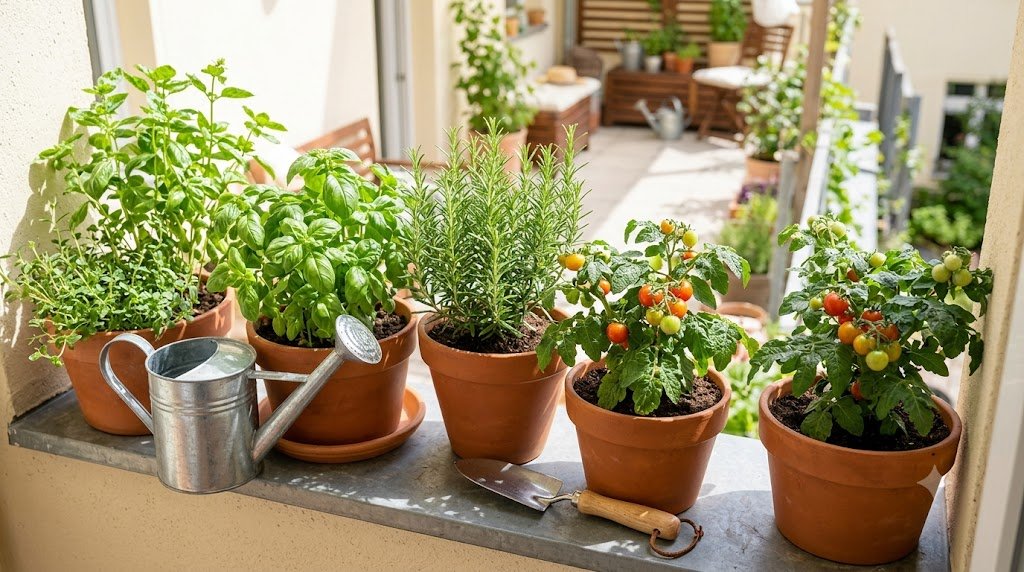
Whether you have a spacious backyard, a tiny apartment balcony, or just a sunny windowsill, you can create a thriving home garden. Gardening isn’t reserved for experts or people with large outdoor spaces. With the right knowledge, anyone can successfully grow herbs, vegetables, flowers, and beautiful indoor plants.
If you’ve ever purchased a plant only to watch it wilt within a few weeks, you’re certainly not alone. Most beginners don’t fail because they lack talent — they simply haven’t learned the basic principles of plant care. Understanding sunlight, watering, soil, and choosing the right plants makes an enormous difference.
This comprehensive beginner’s guide has been designed to help you build a successful garden from the ground up. Instead of overwhelming you with complicated gardening techniques, we’ll focus on practical advice that’s easy to follow and proven to work.
Throughout this guide, you’ll learn:
- Why gardening is one of the healthiest hobbies you can start
- The different types of home gardening
- Essential gardening tools every beginner needs
- How to choose the right soil
- Understanding sunlight requirements
- Growing herbs successfully
- Choosing beginner-friendly houseplants
- Growing vegetables in containers
- Basic rose gardening
- Watering and fertilizing correctly
- Avoiding the most common beginner mistakes
You’ll also find practical tables, checklists, expert tips, and links to more detailed guides throughout this pillar article.
🛒 Gardening Essentials for This Project
A few tools and supplies that make this easier, especially if you're just getting started.
| Product | Best For | Why We Like It | Link |
|---|---|---|---|
| Indoor Herb Garden Starter Kit | Beginners growing herbs from scratch | Includes pots, soil pellets, and seeds in one box | View on Amazon |
| Self-Watering Planter Pots | Kitchen-scrap regrowing & houseplants | Reduces the risk of over/under-watering for beginners | View on Amazon |
| Potting Soil Mix (Organic) | Container & kitchen gardening | Pre-balanced nutrients, no guesswork on soil amending | View on Amazon |
| Pruning Shears | Rose care & general plant maintenance | Clean cuts reduce disease risk vs. dull household scissors | View on Amazon |
Prefer to browse more options? Check out our full Amazon storefront.
Whether your goal is growing fresh basil for your kitchen, harvesting tomatoes from containers, decorating your home with beautiful indoor plants, or creating a colorful flower garden, this guide will help you start with confidence.
Quick Takeaways
If you’re short on time, remember these beginner gardening essentials:
- ✅ Choose plants according to the sunlight available.
- ✅ Always use containers with drainage holes.
- ✅ Buy quality potting mix instead of garden soil.
- ✅ Water only when the soil begins to dry.
- ✅ Start with easy plants like basil, mint, pothos, or snake plants.
- ✅ Avoid buying too many plants at once.
- ✅ Learn from every mistake — every experienced gardener started as a beginner.
Why Start Home Gardening?
Gardening is far more than simply growing plants. It improves physical health, supports mental well-being, beautifies your living space, and even helps reduce grocery expenses. Spending just a few minutes each day caring for plants can become one of the most rewarding habits in your lifestyle.
Modern lifestyles often involve long hours in front of screens, limited outdoor activity, and increased stress. Gardening offers a refreshing opportunity to reconnect with nature while creating something meaningful with your own hands.
Unlike many hobbies, gardening provides long-term rewards. Watching a seed develop into a thriving plant or harvesting vegetables you’ve grown yourself brings a sense of achievement that few activities can match.
Benefits of Home Gardening
1. Reduces Stress and Anxiety
Research suggests that spending time around plants and green spaces may help reduce stress levels. Gardening encourages mindfulness by shifting your attention toward nurturing living things instead of daily worries. Even watering plants after work can become a calming daily routine.
2. Encourages Physical Activity
Gardening naturally involves movement such as digging, watering, carrying pots, pruning, weeding, and repotting. These activities provide gentle exercise suitable for most age groups.
3. Saves Money
Growing herbs and vegetables can significantly reduce grocery expenses. For example, basil, mint, rosemary, lettuce, green onions, and cherry tomatoes can provide continuous harvests for months from just a few inexpensive plants.
4. Improves Air Quality
Indoor plants help create a fresher, greener environment while increasing humidity and making your home feel more inviting. Popular indoor plants include the snake plant, spider plant, pothos, ZZ plant, and peace lily.
5. Provides Fresh Organic Food
Growing your own vegetables allows you to control what goes into your food. You can avoid unnecessary pesticides while enjoying fresher produce harvested just minutes before eating.
6. Teaches Patience and Responsibility
Gardening is an excellent hobby for adults and children alike because it develops consistency, observation skills, and patience. Every new leaf and flower becomes a reward for proper care.
One of the biggest benefits of home gardening is having instant access to fresh, nutrient-rich vegetables that support a healthy lifestyle. Leafy greens, cucumbers, tomatoes, peppers, and herbs are naturally low in calories while being packed with vitamins, minerals, and fiber. If your goal is healthy eating or weight management, growing your own produce is an excellent first step. For more ideas on nutritious foods that support your wellness journey, check out our Weight Loss Foods guide.
Types of Home Gardening
Many beginners think gardening means maintaining a large backyard, but there are numerous gardening styles to suit different homes and lifestyles.
Container Gardening
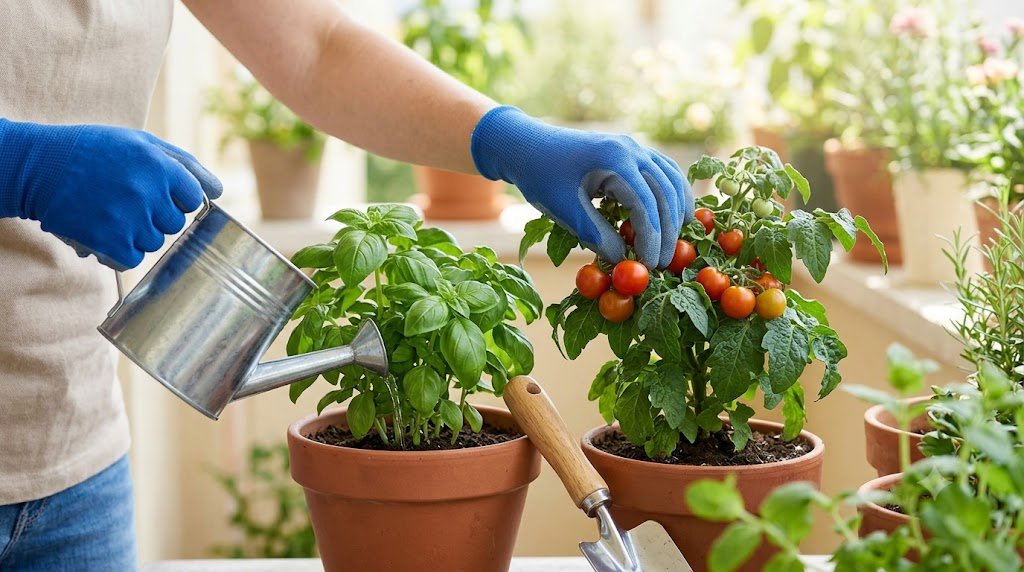
Container gardening is the most popular choice for beginners. Plants are grown in pots, buckets, grow bags, hanging baskets, and window boxes.
Advantages: ideal for apartments, easy to maintain, portable, better pest control, less weeding.
Perfect for: herbs, tomatoes, peppers, lettuce, strawberries.
Indoor Gardening
Indoor gardening focuses on growing plants inside your home where they receive indirect or filtered sunlight. Best indoor plants include the snake plant, pothos, Monstera, spider plant, and ZZ plant. Indoor gardens improve home décor while requiring relatively little maintenance.
Kitchen Gardening
Kitchen gardening means growing vegetables and herbs you regularly use in cooking — basil, mint, cilantro, tomatoes, chili peppers, cucumbers, and green onions. Even a few pots near your kitchen window can provide fresh ingredients year-round.
Balcony Gardening
Limited space shouldn’t stop you from gardening. Balconies can become productive gardens using vertical planters, hanging baskets, wall-mounted pots, grow bags, and tiered shelves. This approach is especially popular in urban homes.
Raised Bed Gardening
Raised beds offer excellent drainage and allow better control over soil quality. Advantages include easier maintenance, better root development, improved drainage, reduced weeds, and higher yields. Raised beds work particularly well for vegetables.
Vertical Gardening
Vertical gardening maximizes small spaces by growing plants upward instead of outward, using trellises, wall planters, vertical towers, hanging pockets, and shelf gardens. It’s an excellent solution for apartments and small patios.
Essential Gardening Tools Every Beginner Needs
You don’t need expensive equipment to start gardening. A few basic tools are enough to build a healthy and productive garden.
| Tool | Purpose | Beginner Essential |
|---|---|---|
| Hand Trowel | Digging and planting | ✅ |
| Gardening Gloves | Protect hands | ✅ |
| Watering Can | Gentle watering | ✅ |
| Pruning Shears | Trimming plants | ✅ |
| Spray Bottle | Indoor humidity | Optional |
| Moisture Meter | Prevent overwatering | Recommended |
| Garden Fork | Loosen soil | Optional |
| Garden Kneeler | Comfort while gardening | Optional |
Beginner Tip: Instead of buying a large gardening kit, purchase quality tools one at a time. Durable tools often last for many years.
Understanding Gardening Soil
Healthy plants begin with healthy soil. One of the biggest mistakes beginners make is filling pots with ordinary garden soil. Outdoor soil becomes compacted inside containers, restricting drainage and reducing oxygen around plant roots.
Instead, choose a high-quality potting mix designed specifically for container gardening.
Good Potting Mix Should Include
- Compost
- Coco peat
- Perlite
- Vermiculite
- Organic matter
These ingredients improve drainage, water retention, root development, and nutrient availability.
| Soil Type | Best For | Drainage |
|---|---|---|
| Potting Mix | Containers | Excellent |
| Garden Soil | Outdoor Beds | Moderate |
| Compost | Soil Improvement | Good |
| Coco Peat | Moisture Retention | Excellent |
| Perlite | Aeration | Excellent |
Understanding Sunlight
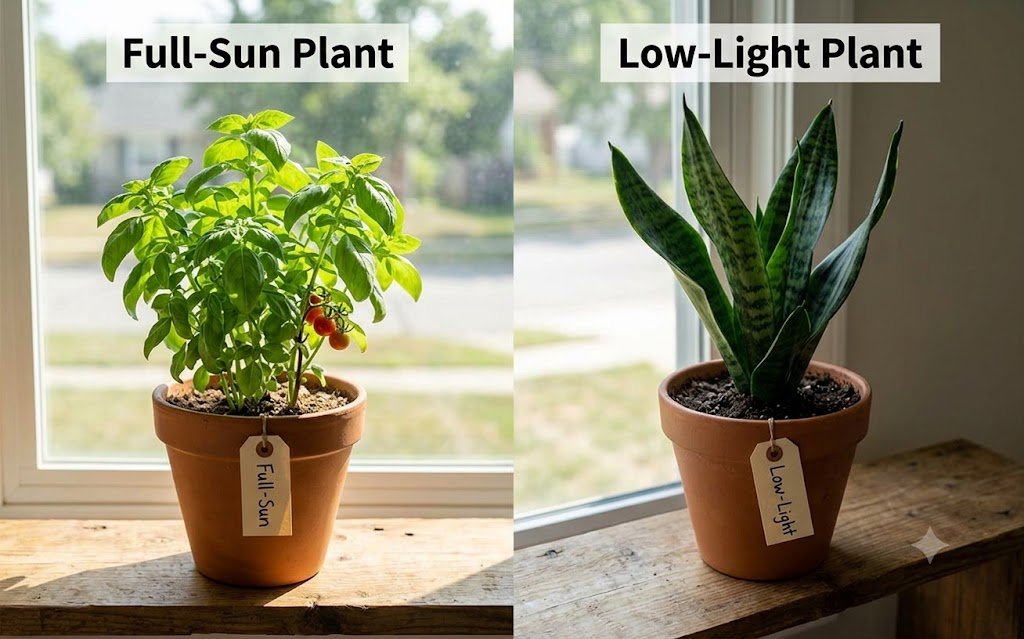
Sunlight is the single most important factor when choosing plants. Many beginners buy plants based on appearance rather than lighting conditions, which often leads to disappointment. Before purchasing any plant, observe how much sunlight your growing space receives each day.
Full Sun
Receives: 6–8 hours of direct sunlight
Suitable for: tomatoes, roses, basil, peppers, cucumbers
Partial Sun
Receives: 4–6 hours of sunlight
Suitable for: lettuce, spinach, parsley, cilantro
Bright Indirect Light
Bright room without direct afternoon sunlight.
Perfect for: Monstera, pothos, peace lily, philodendron
Low Light
Very little direct sunlight.
Best plants include: snake plant, ZZ plant, cast iron plant
Although these plants tolerate low light, they still grow best with some natural light.
Choosing the Right Plants for Beginners
Starting with easy-to-grow plants dramatically increases your chances of success. Instead of buying rare or demanding plants, begin with varieties known for their resilience.
Another wonderful addition to your garden is green tea plants (where the climate allows) or herbs that pair beautifully with green tea. Enjoying a warm cup alongside fresh herbs from your garden creates a relaxing wellness routine. Read more about What Green Tea Is Good For and discover why it’s a favorite beverage for healthy living.
Best Herbs
Basil, mint, rosemary, chives, parsley
Best Houseplants
Snake plant, pothos, spider plant, ZZ plant, aloe vera
Best Vegetables
Cherry tomatoes, lettuce, green onions, radishes, bush beans
Best Flowers
Marigolds, petunias, zinnias, cosmos, sunflowers
Recommended Gardening Products for Beginners
If you’re just starting your gardening journey, consider investing in a few essentials: premium potting mix, gardening gloves, a stainless steel hand trowel, a watering can with a narrow spout, a moisture meter, pruning shears, organic liquid fertilizer, seed starter trays, self-watering planters, and coco peat bricks.
Affiliate Disclosure: As an Amazon Associate, Charming Health earns from qualifying purchases. This helps support our content at no additional cost to you.
Herb Gardening for Beginners
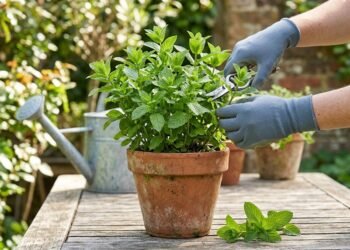
If you’re completely new to gardening, herbs are the perfect place to start. They grow quickly, require minimal care, and provide fresh flavors for cooking, teas, and natural remedies. Most herbs thrive in containers, making them ideal for apartments, balconies, patios, and kitchen windows.
Growing herbs also helps beginners develop essential gardening skills such as watering, pruning, harvesting, and understanding sunlight requirements.
Best Herbs for Beginners
| Herb | Sunlight | Water Needs | Difficulty |
|---|---|---|---|
| Basil | Full Sun | Moderate | Easy |
| Mint | Partial to Full Sun | High | Very Easy |
| Parsley | Partial Sun | Moderate | Easy |
| Rosemary | Full Sun | Low | Easy |
| Chives | Full Sun | Moderate | Very Easy |
| Thyme | Full Sun | Low | Easy |
| Oregano | Full Sun | Low | Easy |
| Cilantro | Partial Sun | Moderate | Medium |
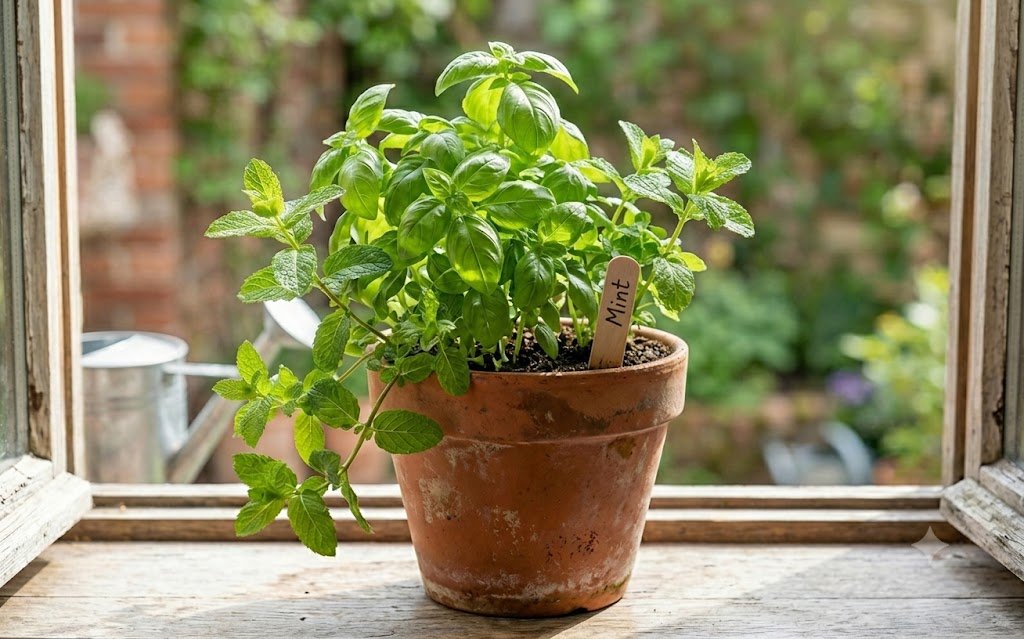
Basil
Basil is one of the easiest herbs to grow and produces abundant leaves throughout the growing season. It loves warmth and plenty of sunlight.
Growing Tips:
- Provide 6–8 hours of sunlight daily.
- Water when the top inch of soil feels dry.
- Pinch off flower buds to encourage leafy growth.
- Harvest regularly to keep the plant productive.
👉 Read the full Complete Basil Growing Guide for troubleshooting and advanced care.
A home garden can completely transform your morning meals. Fresh spinach, tomatoes, basil, mint, and herbs can be added to omelets, smoothies, avocado toast, or yogurt bowls for extra nutrition and flavor. Starting your day with home-grown ingredients is a simple way to build healthier eating habits. Explore our collection of Healthy Breakfast ideas to make the most of your garden harvest.
Many gardeners also enjoy making refreshing drinks using freshly harvested lemons, cucumbers, mint, and herbs. These ingredients are perfect for homemade Detox Water recipes that help you stay hydrated throughout the day while adding natural flavor without added sugar.
Mint
Mint grows vigorously and is almost impossible to kill, making it ideal for beginners. However, mint spreads aggressively and should always be planted in its own container.
Growing Tips:
- Keep soil consistently moist.
- Place in partial or full sunlight.
- Trim frequently to encourage bushier growth.
👉 Read the full Mint Plant Care Guide for complete watering and propagation tips.
Rosemary
Rosemary is drought-tolerant and thrives with minimal watering. It prefers sunny locations and well-drained soil. Best for cooking, landscaping, and pollinator gardens.
👉 See the full Rosemary Growing Tips guide.
Parsley
Parsley grows well in containers and tolerates partial shade better than many herbs. Harvest outer stems first while allowing the center of the plant to continue growing.
👉 See the full Parsley Plant Guide.
Herb Gardening Tips
- ✔ Never allow herbs to sit in soggy soil.
- ✔ Harvest regularly.
- ✔ Use containers with drainage holes.
- ✔ Feed every 4–6 weeks using a balanced organic fertilizer.
- ✔ Replace annual herbs when production slows.
Growing Houseplants Successfully
Houseplants transform indoor spaces into healthier and more inviting environments. Besides their decorative value, they encourage beginners to build confidence in plant care. Most indoor plants require much less maintenance than people expect.
Best Indoor Plants for Beginners
| Plant | Light | Water | Difficulty |
|---|---|---|---|
| Snake Plant | Low to Bright | Every 2–3 weeks | Very Easy |
| Pothos | Bright Indirect | Weekly | Very Easy |
| Spider Plant | Bright Indirect | Weekly | Easy |
| ZZ Plant | Low Light | Every 2–3 weeks | Very Easy |
| Monstera | Bright Indirect | Weekly | Easy |
| Aloe Vera | Full Sun | Every 2 weeks | Easy |
Snake Plant
Snake Plant is one of the toughest indoor plants available. It tolerates low light, missed watering, dry indoor air, and busy lifestyles. Perfect for first-time gardeners.
👉 Read the full Snake Plant Care guide.
Pothos
Pothos grows rapidly and produces beautiful trailing vines. Signs it needs water include slight drooping and dry topsoil. Avoid leaving the soil constantly wet.
👉 Read the full Pothos Plant Guide.
Spider Plant
Spider Plants produce baby plants that can easily be propagated. Benefits include easy maintenance, fast growth, and being generally considered pet-friendly.
👉 Read the full Spider Plant Care guide.
ZZ Plant
ZZ Plants store water inside thick underground rhizomes, making them extremely drought-tolerant. If you travel often, this is one of the best houseplants you can own.
👉 Read the full ZZ Plant Guide.
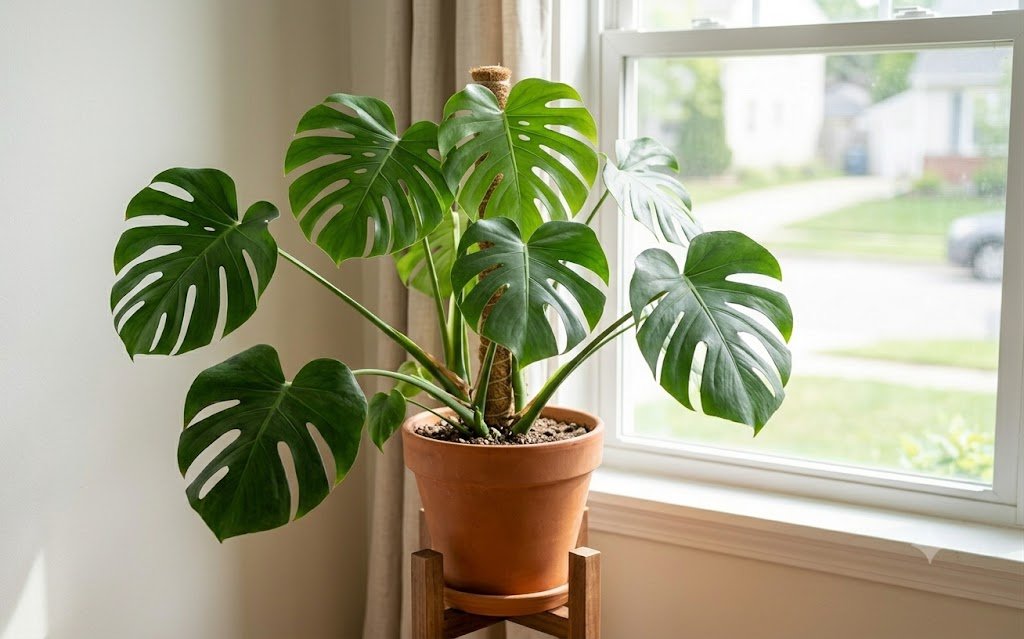
Monstera Deliciosa
Monstera remains one of the world’s most popular houseplants because of its dramatic split leaves. Provide bright indirect light, a moss pole for climbing, and regular pruning.
👉 Read the full Monstera Care Guide.
Common Houseplant Care Tips
- Rotate plants every few weeks for even growth.
- Clean leaves regularly to remove dust.
- Avoid placing plants directly beside heaters or air conditioners.
- Repot every 1–2 years when roots outgrow the container.
Kitchen Gardening for Beginners
Growing vegetables at home is one of the most rewarding parts of gardening. Fresh vegetables harvested from your own containers are often more flavorful and economical than store-bought produce. Fortunately, many vegetables thrive in pots and require very little space.
Best Vegetables for Beginners
| Vegetable | Container Size | Sunlight |
|---|---|---|
| Cherry Tomatoes | Large | Full Sun |
| Lettuce | Medium | Partial Sun |
| Spinach | Medium | Partial Sun |
| Bush Beans | Large | Full Sun |
| Radishes | Small | Full Sun |
| Green Onions | Small | Partial Sun |
| Bell Peppers | Large | Full Sun |
| Cucumbers | Large | Full Sun |
Fresh vegetables and herbs are excellent sources of dietary fiber, which plays an important role in maintaining a healthy digestive system. Regularly eating home-grown produce encourages a diverse, fiber-rich diet that supports your body’s natural digestive processes. If you’re looking to improve your digestion naturally, don’t miss our complete guide on Gut Health.
Cherry Tomatoes
Cherry tomatoes are highly productive and among the easiest vegetables for beginners.
Growing Tips: minimum 8 hours of sunlight, a large container, a tomato cage for support, and consistent watering.
👉 Read the full Cherry Tomato Growing Guide.
Lettuce
Lettuce grows quickly and allows repeated harvesting. Cut outer leaves first while allowing the center to continue producing.
👉 Read the full Lettuce Growing Guide.
Green Onions
One of the easiest vegetables to regrow. Simply place the white root ends in water before transplanting into soil.
Bell Peppers
Peppers thrive in warm weather and produce continuously throughout summer. Use containers at least 12 inches deep.
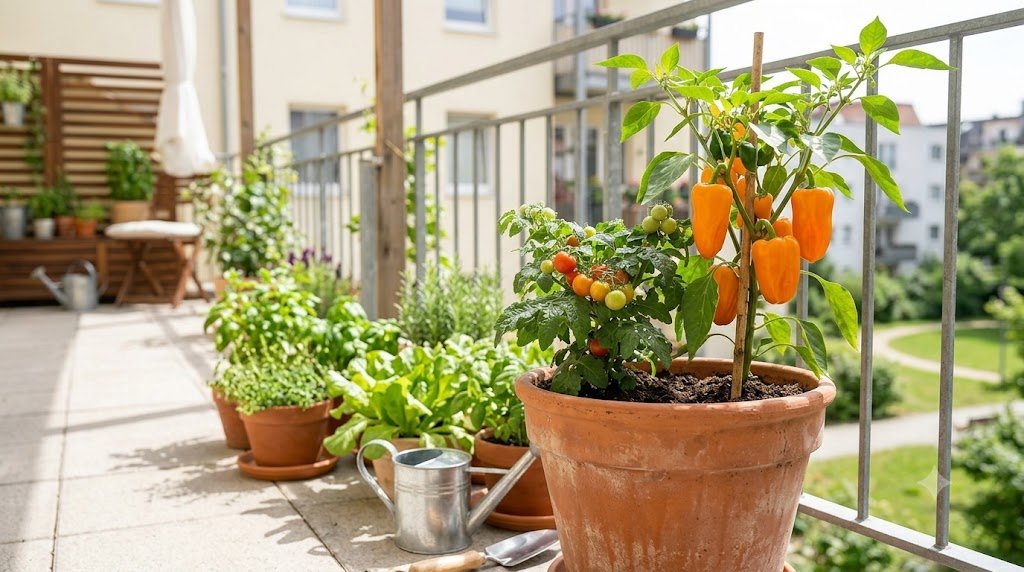
Container Gardening Tips
- ✔ Bigger containers dry out more slowly.
- ✔ Add compost regularly.
- ✔ Feed vegetables every 2–3 weeks.
- ✔ Mulch soil to reduce evaporation.
- ✔ Place containers where they receive adequate sunlight.
👉 For more on this topic, see Container Vegetable Gardening and Balcony Gardening Ideas.
Rose Gardening for Beginners
Many people believe roses are difficult to grow, but modern varieties have become far more beginner-friendly. With proper sunlight and watering, roses can bloom continuously throughout the growing season.
Best Roses for Beginners
Knock Out roses, Drift roses, Carpet roses, Floribunda roses, and Shrub roses.
Rose Care Basics
Sunlight: Roses require at least six hours of direct sunlight every day. Without sufficient sunlight, flowering decreases dramatically.
Watering: Water deeply at the base rather than spraying leaves. This helps prevent fungal diseases.
Fertilizing: Feed roses every 4–6 weeks during the growing season. Stop fertilizing several weeks before winter in colder climates.
Pruning: Remove dead branches, weak stems, and crossing canes. Annual pruning improves airflow and encourages vigorous new growth.
👉 Go deeper with Rose Care for Beginners and How to Prune Roses.
Complete Watering Guide
Overwatering remains the number one reason beginners lose plants. Instead of watering on a fixed schedule, always check the soil first.
| Plant | Watering Frequency |
|---|---|
| Basil | Every 2–3 days |
| Mint | Keep lightly moist |
| Rosemary | Weekly |
| Snake Plant | Every 2–3 weeks |
| Pothos | Weekly |
| Tomatoes | Daily during hot weather |
| Lettuce | Every 2–3 days |
| Roses | Twice weekly (deep watering) |
Simple Finger Test
Insert your finger about one inch into the soil. Dry? Water thoroughly. Moist? Wait another day or two. This simple habit prevents most watering problems.
Fertilizing Plants
Plants growing in containers use nutrients much faster than those growing in garden beds. Regular feeding encourages stronger roots, healthier leaves, and better harvests.
Organic Fertilizers
Examples include compost, worm castings, fish emulsion, seaweed extract, and bone meal. Benefits: improves soil health, slow nutrient release, environmentally friendly.
Liquid Fertilizers
Liquid fertilizers provide nutrients quickly and are ideal for container-grown vegetables, herbs, and flowering plants. Most container plants benefit from feeding every 2–4 weeks during active growth.
Gardening Calendar
Spring
Start seeds indoors. Plant herbs and vegetables. Prune roses. Add compost to beds.
Summer
Water regularly. Harvest herbs often. Fertilize vegetables. Watch for pests.
Autumn
Plant cool-season vegetables. Divide perennials. Collect seeds. Prepare compost.
Winter
Protect sensitive plants. Grow herbs indoors. Plan next year’s garden. Clean and sharpen tools.
Organic Gardening Tips
Organic gardening focuses on improving soil naturally while minimizing synthetic chemicals. Simple organic practices include adding homemade compost, using mulch to conserve moisture, encouraging beneficial insects, rotating vegetable crops each season, watering early in the morning, and removing diseased leaves promptly.
Natural pest control methods include neem oil, insecticidal soap, and hand-picking pests before infestations become severe.
Beginner Gardening Budget
Starting a garden doesn’t have to be expensive.
| Budget | What You Can Start |
|---|---|
| Under $25 | Herb garden in containers |
| $25–$75 | Balcony vegetable garden |
| $75–$150 | Mixed herb, vegetable, and flower garden |
| $150+ | Raised-bed garden with multiple crops |
Begin with a few healthy plants and quality tools. As your confidence grows, you can gradually expand your garden without overspending.
Common Gardening Problems and How to Fix Them
Even experienced gardeners occasionally encounter problems with their plants. The good news is that most issues can be corrected if they’re identified early. Learning to recognize common symptoms will help you keep your garden healthy and productive.
1. Yellow Leaves
Possible Causes: overwatering, underwatering, poor drainage, nutrient deficiency, lack of sunlight.
How to Fix It: check the soil before watering, ensure containers have drainage holes, feed plants with a balanced fertilizer during the growing season, and move sun-loving plants to a brighter location.
2. Brown Leaf Tips
Brown tips usually indicate environmental stress rather than disease.
Common Causes: low humidity, irregular watering, salt buildup from fertilizer, dry indoor air.
Solution: increase humidity around houseplants, water consistently, flush the soil occasionally with clean water, and avoid over-fertilizing.
3. Root Rot
Root rot is one of the leading causes of plant death among beginners.
Signs: yellow leaves, soft stems, bad smell from soil, wilting despite wet soil.
Prevention: use well-draining potting mix, never let pots sit in standing water, water only when needed.
4. Leggy Plants
Plants become tall and weak when they don’t receive enough sunlight.
Solution: move plants closer to a bright window, rotate containers weekly, use grow lights if natural sunlight is limited.
5. Slow Growth
Plants may grow slowly because of poor soil, lack of nutrients, small containers, insufficient sunlight, or cool temperatures. Repot root-bound plants and feed them regularly during active growth.
Common Garden Pests
Every garden attracts insects, but not all insects are harmful. Many are beneficial pollinators or natural predators.
Aphids
Small green, black, or brown insects that suck plant sap.
Control Methods: spray with water, apply insecticidal soap, encourage ladybugs.
Spider Mites
Spider mites thrive in hot, dry conditions and often leave fine webbing on leaves.
Control Methods: increase humidity, wash leaves regularly, use neem oil if necessary.
Whiteflies
These tiny white insects hide beneath leaves. Control them with yellow sticky traps, neem oil, and removing heavily infested leaves.
Mealybugs
Recognizable by their white cotton-like appearance. Remove them using a cotton swab dipped in rubbing alcohol.
Organic Pest Control
Avoid harsh chemicals whenever possible. Natural options include neem oil, insecticidal soap, garlic spray, chili spray, hand-picking insects, and companion planting. Healthy plants are naturally more resistant to pests and diseases.
The 10 Most Common Gardening Mistakes
Avoiding these mistakes will dramatically improve your success rate.
- Overwatering. More plants die from too much water than too little.
- Using Pots Without Drainage. Always choose containers with drainage holes.
- Choosing the Wrong Plant. Match the plant to the available sunlight.
- Planting Too Much Too Soon. Start with a few easy plants before expanding.
- Ignoring Soil Quality. Healthy soil produces healthy plants.
- Skipping Fertilizer. Container plants eventually use up available nutrients.
- Forgetting to Harvest. Regular harvesting encourages herbs and vegetables to keep producing.
- Crowding Plants. Allow enough space for air circulation and healthy growth.
- Ignoring Pests. Inspect leaves weekly for early signs of infestation.
- Giving Up Too Quickly. Every gardener loses plants. Learn from mistakes and keep growing.
Your First 30-Day Gardening Plan
Week 1
Buy two beginner-friendly plants. Purchase quality potting mix. Choose containers with drainage holes. Observe sunlight in your growing space.
Week 2
Develop a watering routine. Learn to identify dry soil. Remove dead leaves. Rotate indoor plants.
Week 3
Add one vegetable or herb. Begin fertilizing if needed. Practice harvesting herbs correctly.
Week 4
Evaluate plant growth. Repot if necessary. Take notes on what worked well. Plan your next gardening project.
Congratulations — you’ve officially started your gardening journey!
Frequently Asked Questions
What is the easiest plant for beginners?
Snake plants, pothos, mint, basil, and spider plants are among the easiest plants to grow.
Can I garden without a backyard?
Yes. Containers, balconies, patios, and sunny windowsills are excellent places to start.
How often should I water plants?
Check the soil first. Water only when the top inch feels dry.
What vegetables grow fastest?
Radishes, lettuce, spinach, green onions, and bush beans grow quickly.
Do indoor plants need fertilizer?
Yes. Most indoor plants benefit from feeding every 4–8 weeks during active growth.
Which herbs grow best indoors?
Basil, parsley, mint, chives, thyme, and oregano all grow well indoors with adequate light.
Can I use garden soil in pots?
No. Use a quality potting mix designed for containers.
What month is best for gardening?
Spring is ideal for most gardens, although many herbs and houseplants can be started throughout the year.
Why are my leaves turning yellow?
Usually because of overwatering, poor drainage, or nutrient deficiencies.
Is gardening expensive?
No. You can begin with a few containers, quality soil, and two or three beginner-friendly plants.
Conclusion
Home gardening is one of the most rewarding hobbies you can start. It doesn’t require a large yard, expensive equipment, or years of experience. With the right knowledge and a willingness to learn, anyone can grow healthy herbs, vegetables, flowers, and houseplants at home.
Start small. Focus on one or two easy plants, learn their needs, and build your confidence over time. Every season will teach you something new, and every successful harvest will make the effort worthwhile.
Remember that gardening is a journey rather than a destination. Even experienced gardeners continue learning through observation, experimentation, and patience.
Whether your goal is harvesting fresh herbs, growing nutritious vegetables, decorating your home with beautiful indoor plants, or creating a colorful flower garden, every great garden begins with a single plant.
Ready to transform your home into a thriving green space?
Start with one easy plant today, follow the tips in this guide, and continue exploring the Gardening section on Charming Health for expert tutorials, seasonal advice, plant care guides, and practical tips to help your garden flourish all year round.
🛒 Shop Our Recommended Picks
We've curated a list of wellness essentials and kitchen tools that support a healthier lifestyle.
Browse the Charming Health Shop →As an Amazon Associate, Charming Health earns from qualifying purchases.