Many people start their day with a cup of coffee wondering about the how much caffeine in coffee that fuels them. This simple brew packs a punch that varies by type of coffee and preparation. On average, an 8 oz cup of brewed coffee holds about 95 mg of caffeine. But how much caffeine in a cup of coffee can shift from 50 to over 200 mg per serving depending on the coffee bean and brew method. Caffeine in coffee comes from the beans themselves, with arabica types offering less than robusta beans. Coffee contains this stimulant naturally, and knowing the amount of caffeine helps manage your caffeine intake. Whether you sip drip coffee or a shot of espresso, understanding caffeine levels makes every cup of coffee contains more enjoyable. How much caffeine is in a cup of coffee ties into daily habits, as most adults stay under 400 mg total from all sources.
Caffeine Content in Brewed Coffee and Common Types
Brewed coffee stands as the go-to for many, delivering steady caffeine content. A standard 8 oz cup of regular coffee provides around 95 mg of caffeine. This caffeine amount builds from ground beans steeped in hot water. Different amounts of caffeine appear across variety of coffee, but most fall in the 80 to 100 mg per range for home brews. Caffeine levels in coffee rise with stronger grounds or longer steeps. Cup of brewed coffee contains this boost reliably for morning routines.
How Much Caffeine in Black Coffee – Standard Brewed Amounts
Black coffee skips additives for pure how much caffeine in coffee. An 8 oz serving of drip coffee or french press brew hits 95 mg of caffeine on average. How much caffeine is in coffee like this stays consistent, around 12 mg per ounce. Caffeine in a cup of coffee flows from full immersion of ground coffee. Brewed coffee contains approximately 90 to 100 mg per cup size in most cases. Much caffeine builds quickly, so one large cup could near 200 mg of caffeine per day if oversized. Caffeine per volume than regular holds steady here, making it a baseline for comparisons. Know how much caffeine you’re getting starts with measuring your scoop.
Caffeine Levels in Espresso and Coffee Drinks Like Americano
Espresso packs a concentrated hit in a small shot of espresso. One ounce delivers 63 mg of caffeine, while a double shot doubles to 126. Caffeine levels in coffee or espresso differ by extraction speed. How much caffeine in a shot of espresso sits at 63 for singles, but double shot of espresso pushes 150. Coffee drink like americano dilutes this with water, landing around 75 mg per 8 oz cup. Caffeine by volume stays high in espresso, twice as much as brewed coffee per ounce. Amount of coffee used matters, as finer grounds pull more fast. Caffeine affects hit quicker here, ideal for quick lifts. Level of caffeine in these runs potent, so watch totals.
Decaf Coffee and Low-Caffeine Options
Decaf coffee appeals to those cutting back, but it holds trace caffeine content. An 8 oz cup of decaf averages 2 to 5 mg of caffeine. Decaf removes most, yet decaf coffee is not entirely free. Contains less caffeine than regular by 97 percent or more. Caffeine in decaf lingers from incomplete processing. Coffee usually contains less caffeine in this form, suiting evenings. Small amounts of caffeine remain, about 2 mg per ounce.
How Much Caffeine in Decaf – Residual Levels Explained
How much caffeine in decaf traces back to bean origins and methods. Decaf coffee keeps 2 to 15 mg of caffeine per 8 oz cup. Residual levels vary, with some brands under 5 mg per serving. Decaf processes like Swiss water strip most, leaving less caffeine. Caffeine free claims hold loosely, as traces persist. Coffee may still nudge sensitive folks. Caffeine consumption drops sharply here, aiding rest.
Ground Coffee and Instant – Quick Comparison
Ground coffee brews to 95 mg of caffeine in 8 oz, while instant coffee hits 62. Instant coffee usually contains less, around 60 mg per cup. Ground coffee extracts fuller with fresh steeps. Much caffeine is in coffee depends on dissolve time for instants. Caffeine levels favor grounds for max pull. Per volume than regular coffee edges to grounds.
Caffeine Levels in Commercial Brands and Sizes
Coffee shops like Starbucks and Dunkin vary by cup size. A Starbucks grande 16 oz brew packs 310 to 390 mg of caffeine. Dunkin large 20 oz offers 270. Caffeine in different chains shifts with recipes. Total caffeine climbs in bigger pours.
Starbucks, Dunkin, and Chain Variations
Starbucks espresso solo shot gives 75 mg of caffeine. Dunkin medium frozen coffee reaches 295. Chains blend beans for consistent caffeine content. Variety of coffee at coffee shops means checking apps for exacts. Caffeine facts show Starbucks edges higher in larges.
How Serving Size Affects Caffeine in Coffee
Size of your cup scales how much caffeine in coffee. An 8 oz base multiplies to 200 in large cup sizes. Cup size doubles caffeine amount often. Oz cup measures matter for totals. Coffee in such cups boosts caffeine intake fast. Average cup stays moderate at 95 mg of caffeine.
Common Issues with Caffeine Levels in Coffee
Daily coffee per day routines bring perks, but high caffeine levels in coffee spark troubles. Many face shakes after multiple cups of coffee. Effects of caffeine include rapid heartbeats in excess. Caffeine jitters hit when over 200 mg per sitting. Sensitive to caffeine bodies react stronger to peaks.
Jitters and Sleep Disruptions from High Caffeine Intake
High caffeine intake triggers caffeine jitters, shakiness from adrenaline surges. Caffeine affects nerves, causing restlessness. Sleep disruptions follow, as it blocks drowsiness signals. Late coffee delays rest by hours. Caffeine consumption over 300 mg of caffeine worsens nights. Worth of caffeine in one large cup can steal shut-eye.
Over-Reliance on Strong Brews Leading to Tolerance
Strong brews build tolerance, needing more for the same lift. Over-reliance dulls effects over time. Caffeine affects fade, pushing higher doses. Coffee per day habits mask fatigue roots. Amount of coffee ramps up risks like dependency.
Misunderstandings About Coffee Caffeine Content
Folks assume all coffee matches, but coffee caffeine content differs widely. Labels often guess, not test. Caffeine in coffee surprises with variances. How much caffeine in coffee you’re getting hides in blends. How much caffeine in coffee can vary more than expected in everyday brews.
Why Labels Don’t Always Match Actual Amounts
Labels don’t always match due to bean mixes and brews. Actual amounts test higher or lower than claims. Caffeine content shifts post-roast. Coffee used in shops varies daily. Misunderstandings lead to unexpected caffeine intake. How much caffeine in coffee on labels often misses the mark due to these shifts.
Risks of Unmeasured Daily Caffeine from Multiple Cups
Unmeasured daily caffeine from multiple cups exceeds 400 mg per day easily. Risks include headaches and crashes. Caffeine per day totals sneak up. Cup of coffee contains adds fast without tracking. Consume caffeine mindfully avoids overload. Tracking how much caffeine in coffee daily prevents these hidden risks from building.
Tools to Test and Track Caffeine in Your Coffee
At Charming Health, we offer simple ways to gauge how much caffeine in coffee. Home tests reveal truths in your mug. Blends let you dial in just right. These tools fit seamless into routines for aware sipping. Knowing how much caffeine in coffee empowers better daily choices with ease.
Using Decaf Test Strips for Accurate Home Checks
Dip strips into decaf for quick reads on traces. They spot small amounts of caffeine in seconds. Perfect for verifying decaf coffee claims. Track caffeine levels without guesswork. Ease into lower intake with facts. These strips clarify how much caffeine in coffee even in low-claim options.
Balanced Blends for Controlled Intake
Half-strength options keep caffeine levels steady. – Affiliate: Green Mountain Half-Caff K-Cups for half the buzz. Pods brew 50 mg of caffeine per cup, cutting jitters. Ideal for steady days. Control total caffeine effortlessly. Blends like this help manage how much caffeine in coffee for smoother routines.
Low and High Options Tailored for Wellness
We curate picks for gentle or bold needs. Low blends soothe starts, high ones power tasks. Tailored to wellness, these support balanced caffeine consumption. Selecting based on how much caffeine in coffee fits your needs perfectly every time.
Quarter-Strength Grounds for Gentle Starts
Ultra-mild grounds suit light mornings. – Affiliate: Mommee Coffee Quarter Caf for easy mornings. Just 25 mg of caffeine per 12 oz cup, organic and smooth. Builds habits without rush. Fits sensitive systems. This option shows how much caffeine in coffee can stay minimal for calm beginnings.
High-Potency Beans When You Need Extra
Bold beans deliver peaks on demand. – Affiliate: The Red Goat for targeted energy days. Up to 400 mg of caffeine per cup, lab-strong. Use for workouts or focus bursts. Matches high-energy calls. These beans reveal how much caffeine in coffee amps up for those power moments.
Factors That Affect Caffeine Levels – Adjust Your Brew
Several elements shape caffeine levels in coffee. Beans set baselines, roasts tweak slightly. Methods pull varying amounts of caffeine. Tweak for your perfect pull.
Bean Types, Roasts, and Brewing Methods
Robusta beans double arabica at 2 percent caffeine. Light roast coffee holds more by weight than dark. Lighter roasts have more caffeine, as heat shrinks denser lights less. Brewing methods like espresso extract fast via pressure. Drip coffee steeps slower for full yield. Roasts have more caffeine in lights per scoop.
How Water Temperature and Grind Influence Content
Hotter water, over 200 degrees, pulls more caffeine. Finer grind exposes surfaces for quicker release. Coarse skips some, lowering caffeine amount. Affect caffeine levels with temp and texture. Water temperature boils out max in short times.
Spotlight on Our Top Caffeine-Control Picks
| Image | Product | Features | Price |
Our Pick
1 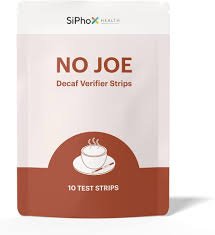 |
| Quick, portable strips that detect traces of caffeine in decaf coffee or tea within 5 minutes for accurate label verification | |
2 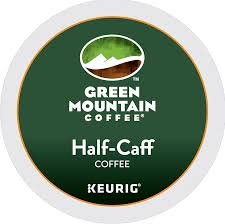 | Green Mountain Coffee Roasters Half-Caff K-Cup Pods (12-Count) |
| |
3 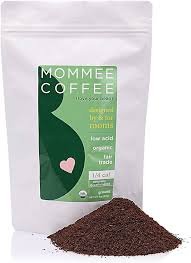 |
| Organic, low-acid ground coffee with just 25mg caffeine per 12oz cup—Swiss Water processed for a smooth, gentle morning ritual. | |
4 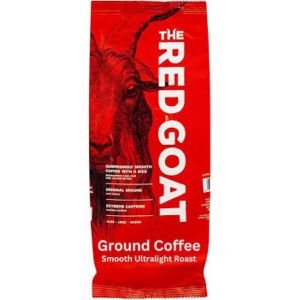 |
| Bold arabica beans with ultra-high caffeine (up to 400mg per cup) lab-tested for intense energy—perfect for those needing a serious kick |
No Joe Decaf Test Strips (10 Strips)
The No Joe Decaf Test Strips simplify verifying your brew at home with ease. Just drop a strip into a cooled sample of your decaf coffee and watch for a quick color shift in under five minutes. This handy tool uncovers any sneaky traces of caffeine that might hide in supposedly low options, ensuring you get what the label promises. It’s a game-changer for anyone chasing calm evenings without surprises, especially when store brands fall short on true less caffeine claims. With a pack of ten, you’ll handle multiple checks over weeks, building confidence in every sip you take for relaxed routines. Knowing how much caffeine in coffee matters, and these strips help you confirm it accurately in decaf brews. When exploring how much caffeine in coffee varies by type, these make testing straightforward for peace of mind.
Green Mountain Coffee Roasters Half-Caff K-Cup Pods (12-Count)
Green Mountain Half-Caff K-Cups mix the best of full-flavor coffee with gentle caffeine control in one convenient pod. Each single-serve yields about 50 mg of caffeine whether you brew hot for a cozy start or iced for afternoon refresh. Say goodbye to midday shakes as this blend halves the intensity while preserving that rich, bold taste you love in your daily mug. Compatible with most Keurig machines, these make rushed mornings effortless and sustainable. Perfect for steady energy through long days, they prevent crashes and keep your focus sharp without overdoing the buzz. If you’re wondering how much caffeine in coffee to aim for daily, this half-caff option keeps it balanced at just right levels. Understanding how much caffeine in coffee can differ helps pick blends like this for consistent wellness.
Mommee Coffee Quarter Caf Ground Coffee (12oz)
Mommee Coffee Quarter Caf delivers organic tranquility in every scoop, dialing caffeine down to just 25 mg per generous 12-ounce serving. Crafted with a clean Swiss Water process, it strips away extras without harsh chemicals, leaving a pure, low-acid profile that’s kind to your gut. Ideal for those easing into lighter habits, this ground blend brews smooth and flavorful, supporting stomach-friendly mornings year-round. The 12-ounce bag stretches for weeks of fresh grinds, enhancing subtle notes that make low-key routines feel indulgent. Choose it for balanced wellness that fits sensitive systems and busy lives alike. Track how much caffeine in coffee easily with this low-dose pick for gentler wellness starts. Curious about how much caffeine in coffee in milder forms? This grounds out low for easy tracking.
The Red Goat Ground Coffee Beans (16oz)
The Red Goat beans bring powerhouse energy with 300 to 400 mg of caffeine packed into each bold grind, ready for your toughest schedules. Freshly milled at home, they maximize extraction across any brew method, from pour-over to French press, for a surge that’s lab-tested and reliable. Built on a smooth arabica foundation, this high-octane option avoids bitterness despite its strength, targeting focus for workouts or deadlines. Start with small portions to nail your precise caffeine intake, turning demanding days into productive wins. This 16-ounce bag fuels multiple high-need sessions, empowering you to match intensity without compromise. For days when you need to know how much caffeine in coffee packs a punch, these beans deliver exactly that high boost. Realizing how much caffeine in coffee can spike with robust choices makes these ideal for targeted energy needs.
Positive Effects of Caffeine in Coffee on Health
Moderate caffeine in coffee lifts daily life. It sharpens focus and speeds metabolism. Coffee and caffeine pair for brain and body gains. Safe under 400 mg of caffeine daily, perks outweigh pitfalls for most. Caffeine facts show ties to longer lives in studies.

Energy Boost and Metabolism Support from Moderate Levels
Moderate levels spark energy boost by blocking tiredness signals. Caffeine raises burn rate by three to eleven percent. Aids weight goals with steady sips. Metabolism support flows from 100 mg of caffeine doses. How much caffeine is in coffee like 95 mg per cup fits ideal.
Brain Function and Exercise Gains from Caffeine Facts
Caffeine facts point to better recall and mood. It enhances brain function via alert waves. Exercise gains include endurance up ten percent. Caffeine dulls pain for longer pushes. Affect the caffeine level in routines boosts output.
Real Stories: Managing Caffeine for Better Wellness
Readers share how tweaks changed their brews. From shaky starts to calm flows, stories inspire. At Charming Health, we highlight real shifts with our picks. These tales show caffeine affects handled right lead to wins.
A Reader’s Shift from Jitters to Steady Energy with Half-Caff
Sarah gripped her mug tight, caffeine jitters ruining focus by noon. Full cups of coffee hit 200 mg of caffeine fast, leaving crashes. She swapped to Green Mountain Half-Caff K-Cups, halving to 50 mg per brew. Energy evened out, no more shakes mid-meeting. Workdays smoothed, sleep deepened. Now she savors two cups guilt-free, tracking total caffeine easy. How much caffeine in coffee feels controlled, life brighter.
Case Study: Revamping Caffeine Routines for Balanced Wellness
At Charming Health, we followed Alex’s journey over three months as he tackled erratic energy from unchecked caffeine in coffee. Starting with four daily cups of coffee totaling over 400 mg of caffeine, he battled afternoon slumps and poor sleep. By incorporating our recommended tools and blends, Alex cut intake gradually while maintaining flavor. Weekly check-ins tracked mood, focus, and rest via simple journals. The result? Steady vitality without sacrifice, proving small tweaks yield big health shifts for busy pros like him.
From Overload to Calm: Integrating Low-Caff Blends
Alex began by swapping his strong morning brew for Green Mountain Half-Caff K-Cups, halving his caffeine levels to 50 mg per cup. This eased the jitters that once derailed his work calls, replacing them with clear-headed flow. Evenings improved as he avoided crashes, fitting in family time energized. Over weeks, he noted sharper decisions and fewer headaches. Now, two half-caff pods kickstart his day sustainably, blending ritual with real balance.
Verifying Choices: The Role of Home Testing Strips
Doubting decaf labels, Alex used No Joe Decaf Test Strips to scan his evening switch, revealing hidden traces up to 10 mg of caffeine. Armed with facts, he selected truly low options, ensuring restful nights hit eight hours consistently. Mornings dawned brighter, free from fog that lingered before. The strips became a weekly habit, building trust in his routine. This verification turned guesswork into confidence, key to his ongoing wellness wins.
Powering Peaks: Strategic High-Caff Days
For gym sessions, Alex turned to The Red Goat beans, dosing 200 mg of caffeine precisely for endurance boosts without overload. Pre-workout grinds fueled longer runs, cutting fatigue by half per his logs. Recovery sped up too, with no lingering buzz disrupting sleep. He portions small, reserving for three high-need days weekly. This targeted approach elevated fitness goals while keeping overall caffeine intake in check, a smart layer to his transformed habits.
Charming Health’s Approach to Coffee and Caffeine
We blend science and simplicity for coffee lovers. Focus on natural tweaks over extremes. Our picks test true for reliable caffeine levels. Wellness roots in aware choices, not cuts.
Natural, Tested Picks for Sustainable Habits
Natural options like organic grounds build lasting ways. Tested picks verify claims with home tools. Sustain caffeine intake under 400 mg daily. Habits stick with flavor-first blends.
Why Our Recommendations Fit Your Lifestyle Goals
Picks match busy lives, from pods to grounds. Goals like rest or pep guide selections. Caffeine stays in check for health aims. Easy swaps keep joy in every cup of coffee.
Comparisons to Guide Your Pick
Side-by-sides clarify choices beyond coffee. Tea offers milder lifts, drinks pack punches. Use these to swap smart for your needs.
How Much Caffeine in Coffee vs Tea – Side-by-Side
How much caffeine in coffee vs tea shows coffee leads at 95 mg per 8 oz. Black tea trails at 48, green at 29. Coffee or tea suits energy scale. Higher caffeine in coffee for bold days.
Energy Drinks Like Red Bull or Monster vs Coffee Shots
Red Bull cans hold 80 mg of caffeine in 8.4 oz. Monster doubles to 160 in 16 oz. Shot of espresso matches Red Bull at 63. Coffee or espresso edges natural over sugary hits.
Quick Answers on Caffeine in Coffee
How Much Caffeine in Tea Compared to Coffee?
Tea generally contains less caffeine than coffee, with black tea averaging 40-70 mg per 8 oz cup while a standard brewed coffee hits 95 mg. Green tea falls even lower at 20-45 mg, making it a milder option for those sensitive to stimulants. Switching between them can help manage daily intake without losing the ritual of a warm drink.
What Is the Caffeine Content in Decaf Coffee?
Decaf coffee retains about 2-5 mg of caffeine per 8 oz cup, far below regular’s 95 mg, thanks to processing that removes 97% of it. This trace amount comes from natural bean residues and won’t jolt you like full-strength brews. It’s ideal for evenings, allowing enjoyment without disrupting sleep cycles.
How Does the Brewing Method Affect Caffeine Levels in Coffee?
Brewing methods pull different amounts of caffeine; espresso extracts 63 mg in a 1 oz shot via high pressure, while drip coffee yields 95 mg over 8 oz with slower steeping. Cold brew concentrates up to 200 mg in 16 oz due to long immersion, boosting potency. Choosing your method lets you tailor strength to your energy needs.
Are There Health Risks from Too Much Caffeine in Coffee?
Excess caffeine over 400 mg daily can cause jitters, rapid heartbeat, or insomnia, especially in sensitive individuals. It may also build tolerance, reducing benefits over time if you rely on strong cups. Balancing with food or lower options keeps the positives like focus without these downsides.
How Many Cups of Coffee Is Safe to Drink Per Day?
Most adults handle up to 4 cups of 8 oz brewed coffee safely, totaling around 400 mg of caffeine for steady benefits. Pregnant people or those with anxiety should aim lower, like 1-2 cups, to avoid risks. Track your total from all sources to stay in this range for optimal wellness.
Start Balancing Your Brew Today
Pick a tool or blend from our list to tune your how much caffeine in coffee. Test with No Joe Strips [link] or ease in with Mommee Quarter Caf [link]. Share below: What’s your daily cup secret? Subscribe for more tips on smart sips and wellness wins.